Clearing Snow and Ice Lowers the Risk of Accidents and Legal Claims
A snow plowing service reduces liability during winter storms by removing snow and ice before someone gets hurt. When walkways, parking lots, and driveways stay covered in snow, slips and falls are more likely. Property owners can be held responsible for injuries. Fast and routine snow removal shows that you took reasonable steps to keep your property safe.
The Quick Answer
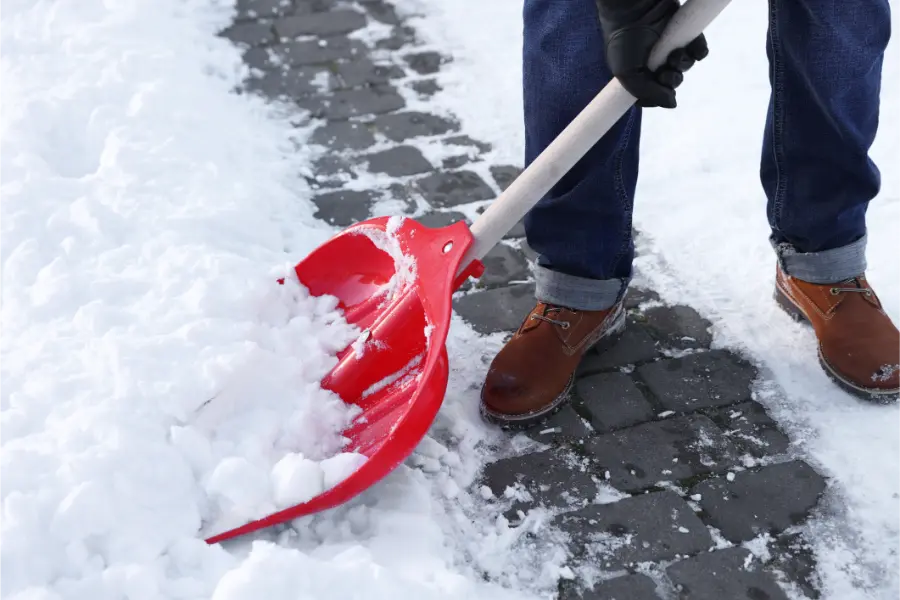
If snow and ice are not cleared in a timely way, people can slip, fall, or crash their vehicles. That can lead to medical bills, repair costs, and legal claims against the property owner. A snow plowing service helps lower this risk by keeping surfaces clear, improving traction, and creating safer access during and after a storm.
What You Need Before Winter Starts
Before the first storm hits, you need a clear plan. Waiting until snow piles up can increase your risk. Here is what property owners should have ready:
- A contract with a reliable snow plowing service
- A map of priority areas like entrances and exits
- A schedule for monitoring weather reports
- A plan for salting and de-icing after plowing
Having these steps in place shows that you acted in good faith. If a claim ever comes up, written agreements and service logs can help show that you took safety seriously.
Step-by-Step: How Snow Removal Lowers Liability
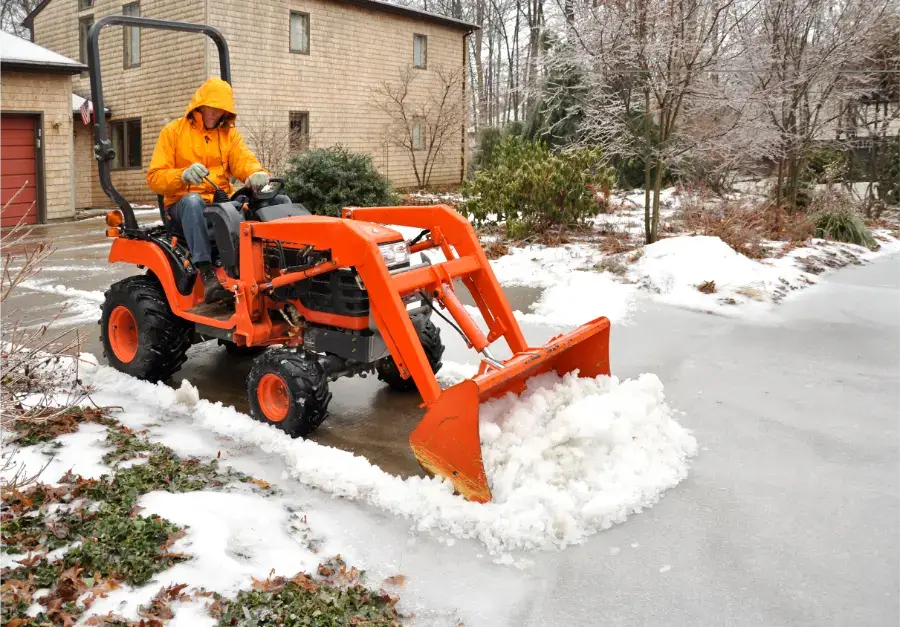
Professional snow removal works best when it follows a clear process. Here is how it reduces risk step by step:
- Monitor the forecast and prepare before the storm begins.
- Pre-treat surfaces with salt or brine when needed.
- Plow snow early and often during heavy snowfall.
- Clear sidewalks, ramps, and high-traffic areas.
- Apply de-icer to prevent refreezing.
- Document each visit and service performed.
Plowing early keeps snow from packing down into hard ice. Ice is much more dangerous than fresh snow. When vehicles drive over untreated snow, it can freeze solid. That creates slick surfaces that are hard to remove later.
Detailed records also matter. If someone claims they slipped days after a storm, clear service logs can help protect you.
Common Mistakes That Increase Risk
Some property owners try to handle snow on their own but miss key steps. These mistakes can increase liability:
- Waiting until the storm ends before clearing snow
- Piling snow in areas that block sight lines
- Ignoring small walkways or side entrances
- Failing to salt after plowing
- Not checking for refreeze overnight
For example, a parking lot may look clear in the afternoon. But melted snow can refreeze after sunset. Without a follow-up visit, black ice can form. That thin layer of ice is hard to see and very slippery.
When to Call a Professional
Small residential driveways may be manageable for some homeowners. But larger properties carry higher risk. You should call a snow plowing service if you manage:
- Apartment complexes
- Retail centers or office buildings
- Medical facilities
- Schools or churches
- Large private roads
These properties have steady foot and vehicle traffic. The more visitors you have, the greater your exposure to claims. Professional crews use commercial-grade plows, spreaders, and de-icing materials. They also watch changing weather conditions and respond as needed.
In many areas, local laws require snow to be cleared within a set time. Missing that window can lead to fines on top of possible injury claims. A reliable team helps you stay compliant and prepared.
Final Recommendation
Winter storms are unpredictable. Snow can turn to ice fast. Taking action early protects both people and your property. Routine snow removal keeps parking lots open, sidewalks passable, and emergency routes clear.
Protect Your Property This Winter
At The Reliable Lawn & Landscaping Services by James Coleman, we help property owners in Lyme, CT stay ahead of winter weather with dependable snow clearing and ice control services. We document our work, respond quickly during storms, and focus on reducing risk for every client we serve. Call us at (860) 269-6490 to set up a plan that protects your property and the people who use it.