How to Build Strong Outdoor Support That Protects Your Yard and Home
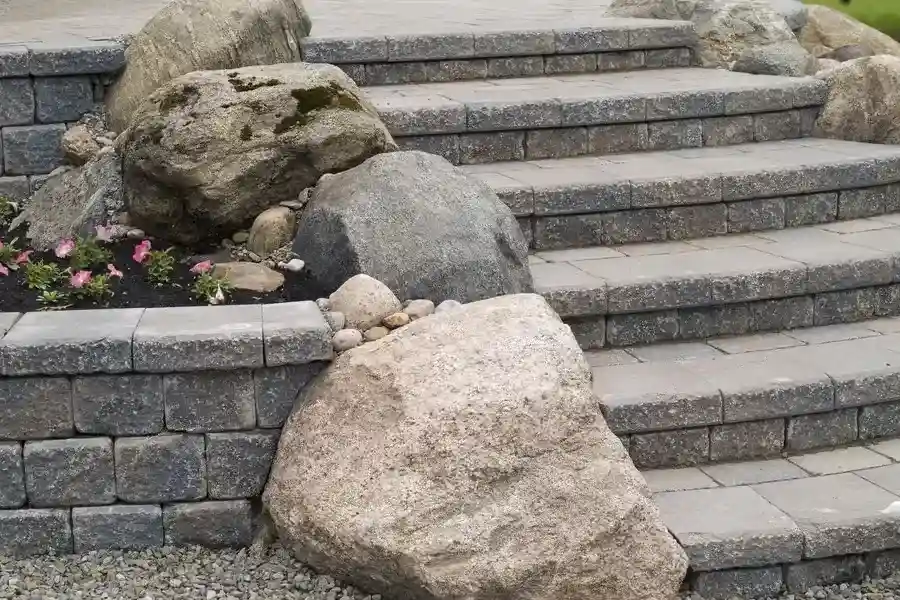
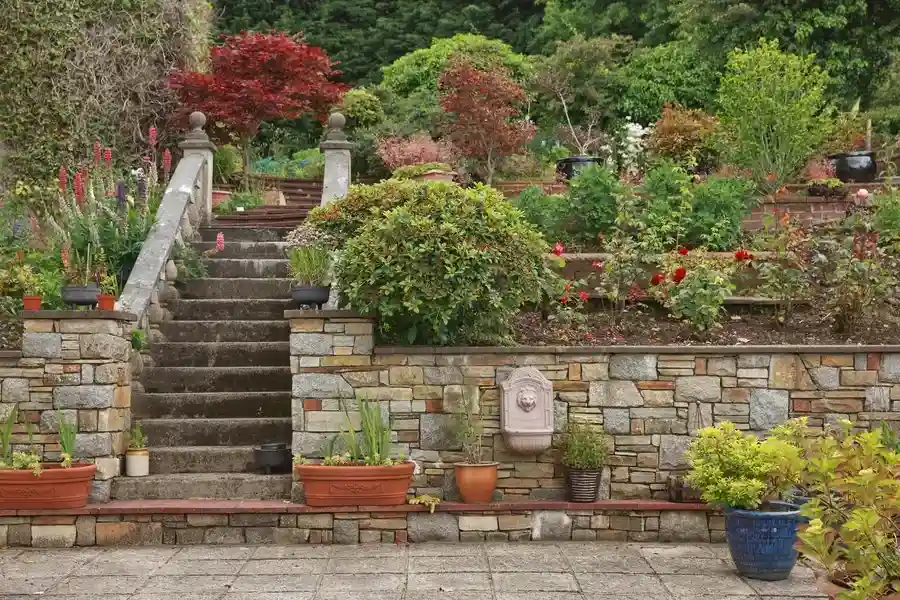
Retaining wall installation helps hold soil in place and create flat, safe outdoor areas. If your yard has slopes or loose soil, a retaining wall can stop erosion, prevent sliding, and make space for patios or gardens. Done the right way, it protects your home’s foundation and gives your yard a clean, finished look.
What You Need Before Starting
Before you start any retaining wall installation project, plan carefully. A wall that looks simple can fail if the base is weak or drainage is poor.
Here is what you need:
- A clear plan with measurements and layout
- Proper permits, if your area requires them
- Gravel for a solid base
- Drainage pipe to move water away
- Wall blocks, stone, or concrete materials
- A level, shovel, and compactor
You should also call local utility services before digging. This keeps you safe from hitting buried lines.
Step-by-Step Process for Retaining Wall Installation
Building a strong wall takes time and careful work. Follow these basic steps for safe results:
- Mark the area. Use stakes and string to outline where the wall will sit.
- Dig a trench. The trench should be deep enough for the base layer and the first row of blocks.
- Add a gravel base. Pour gravel and compact it firmly. This creates a stable foundation.
- Set the first row. Place the first row of blocks and check that they are level from front to back and side to side.
- Add drainage. Install a perforated drain pipe behind the wall to move water away.
- Backfill with gravel. Fill behind the wall with gravel, not soil, to help with drainage.
- Stack and secure rows. Continue stacking blocks, locking them in place if the system requires it.
- Cap the wall. Add capstones and secure them with adhesive.
Each step builds on the one before it. Rushing can lead to leaning or cracking later.
Common Mistakes to Avoid
Many retaining wall problems start with small errors. Avoid these common mistakes:
- Skipping the gravel base or making it too thin
- Not compacting soil and gravel tightly
- Ignoring drainage needs
- Building too high without support
- Using the wrong materials for your soil type
Water pressure is one of the biggest causes of wall failure. Without proper drainage, water builds up behind the wall and pushes it forward. Even a well-built wall can fail if water has nowhere to go.
When to Call a Professional
Some small garden walls are fine for experienced DIY homeowners. But taller walls or walls that support heavy loads need expert planning.
You should contact a professional if:
- The wall will be over four feet tall
- Your yard has steep slopes
- Soil feels very loose or sandy
- You notice water pooling in the area
- The wall supports a driveway or structure
Larger retaining wall installation projects may need engineering plans and permits. A trained team can check soil conditions and design a wall that stays strong for years.
How Retaining Walls Improve Outdoor Safety
A well-built retaining wall does more than hold dirt. It creates safer walkways and play areas. It reduces the risk of slips on slopes. It keeps rain from washing soil onto driveways and sidewalks.
In heavy storms, proper walls guide water away from your home. This lowers the risk of foundation damage. It also protects landscaping and keeps garden beds neat.
Flat areas created with retaining walls give you room for patios, fire pits, and seating areas. This makes your yard more usable and family friendly.
Final Recommendation and Next Steps
If you are planning retaining wall installation in Lyme, CT, we can help you design a safe and lasting solution for your yard. At The Reliable Lawn & Landscaping Services by James Coleman, we build strong walls that protect homes and outdoor spaces for years to come. Call us at (860) 269-6490 to talk about your project and schedule a consultation with our team.