Build a Stable Structure That Holds Soil in Place
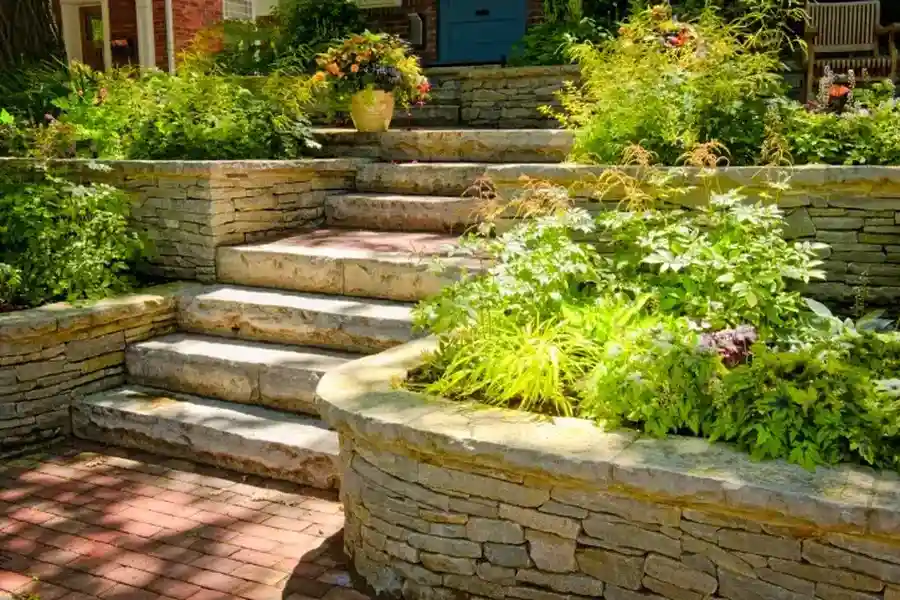
Retaining Wall Installation is one of the best ways to support soil on sloped or uneven land. A properly built wall holds back dirt, prevents erosion, and creates flat, usable space in your yard. Whether you want to stop soil from sliding or add structure to your landscape, the right wall can make your outdoor area safer and more functional.
What You Need Before Starting
Before starting any retaining wall installation project, you need a clear plan. Not every slope needs the same design. The height of the wall, the type of soil, and drainage all matter.
Here are a few key things to review:
- The height and length of the wall
- The type of soil on your property
- Water drainage patterns
- Local building rules and permits
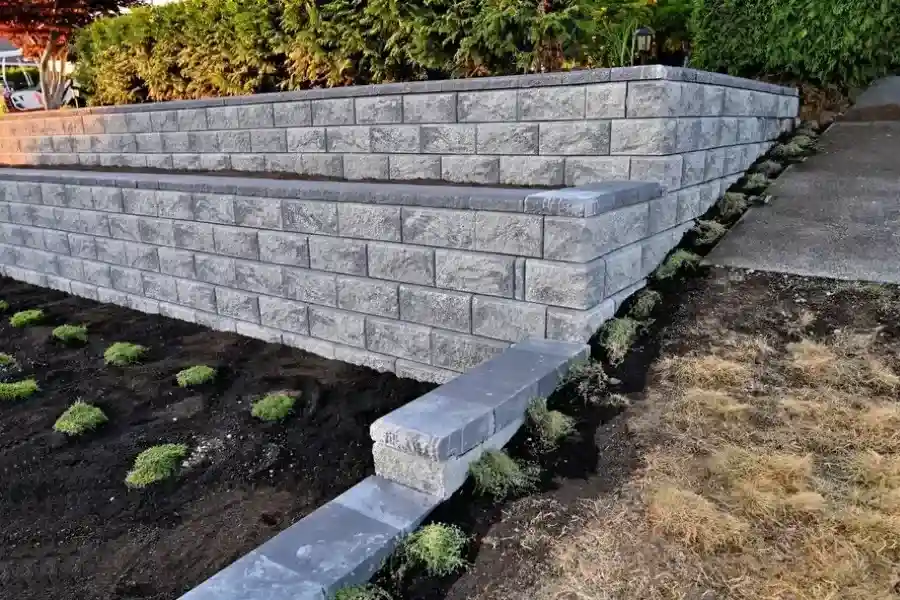
- The materials you want to use, such as concrete blocks, natural stone, or timber
If the wall will be over a certain height, many towns require permits. This often falls under site work or
Step-by-Step Retaining Wall Installation Process
A strong retaining wall starts with a solid base. Skipping steps can lead to leaning or cracking later. Below is a simple breakdown of how the process usually works.
- Mark and measure the area. Outline where the wall will go using stakes and string.
- Excavate the trench. Dig deep enough for a stable base layer.
- Add base material. Spread and compact crushed stone or gravel.
- Install the first row. Make sure blocks or stones are level from front to back and side to side.
- Add drainage support. Place gravel and drainage pipe behind the wall.
- Stack remaining layers. Stagger joints for strength.
- Backfill and compact. Fill in soil gradually and press it down firmly.
Each step supports the next. If the base shifts, the entire wall can fail.
Common Mistakes to Avoid
Many retaining walls fail because of simple errors. Planning and patience make a big difference.
- Skipping proper drainage behind the wall
- Building on soft or uneven soil
- Not leveling the first row correctly
- Making the wall too tall without reinforcement
- Using the wrong materials for the soil type
For example, clay soil holds water. If water builds up with no drainage system, pressure pushes against the wall. Over time, this causes leaning or cracks.
When to Call a Professional
Some small garden walls are fine as DIY projects. But larger structures often need professional support. If your wall is over a few feet tall, holds back heavy soil, or sits near a driveway or foundation, expert help is a smart choice.
Professionals understand grading, drainage systems, and reinforcement methods such as geogrid layers. They also follow local codes and inspection rules. This helps prevent expensive repairs later.
If your property in Lyme, CT has steep slopes or heavy rainfall, professional retaining wall installation can protect against erosion and water damage.
Practical Tips for Stronger Landscape Support
Strong landscape support means more than stacking blocks. It involves managing water flow and ground pressure.
Here are simple tips that improve results:
- Always slope soil slightly away from the wall
- Use quality gravel for drainage
- Compact soil in small layers
- Inspect the wall after heavy storms
- Choose materials that match your yard’s style and climate
A well-built retaining wall not only stops erosion. It also adds beauty and structure to your yard. Many homeowners use them to create garden beds, seating areas, or level patios.
Get Expert Help for a Long-Lasting Wall
If you want dependable retaining wall installation in Lyme, CT, our team at The Reliable Lawn & Landscaping Services by James Coleman is ready to help. We design and build walls that hold strong through changing weather and shifting soil. Call us at (860) 269-6490 to talk about your project, and let us create a solution that supports your landscape for years to come.